Consider Creating a Player’s Guide for Your Campaign World

When it comes to running tabletop role-playing games (TTRPGs), there is no one-size-fits-all approach. Some players enjoy diving deep into character creation and exploring complex rules and mechanics, while others prefer a faster, more streamlined experience. That is ok. There is no “right” way to enjoy the hobby, and it is all about finding what works best for you and your group. This post will not be for everyone. I am merely sharing something that works well for the groups that I run games for.

I personally enjoy digging into my games. I see character creation as part of the game and not some chore that must be suffered though. As a GM, working on my campaign world gives me a great deal of joy and is probably just as much fun to me as actively playing.

Creating My Player’s Guide

While not necessary, I will usually create a campaign map once my player’s guide is complete.

As I did when I wrote my post about creating a Who’s Who for your campaign, I wanted to share something that I enjoy doing for my campaign settings. When I am in between games and decide that it is about time to start a new campaign, the first thing I will do is start jotting down some notes to create a player’s guide.

It all starts with my original inspiration. Perhaps a new book series or movie caught my attention or possibly I stumbled onto some old property from my youth that I wanted to build on (this was the case with the Land of the Lost influence in my Revisiting the Isle of Dread post.) By this point I will likely know what genre I am picturing and probably also know which game system I want to use.

Next, I will get down to more formally capturing my thoughts. This step usually takes place in a Word doc or spiral notebook. I will tell my players a bit about what to expect from the campaign. For instance, will this be an epic tale of saving the world or a lighthearted romp in a fanciful setting?

Mind you, this is far from complete. I am not proposing mapping out a full campaign here. There is no way I could know what kind of twists and turns will develop. I merely know what kind of game and what kind of setting I want to be playing in.

A polished up player’s guide that has evolved over a few campaigns.

From there I start to think about the types of cultures that exist in the world. For example, if I want to include a region that is vaguely similar to ancient Greece or the Shire from The Hobbit, I note that. I will create a name for each region and jot down a few facts about it. Again, this is far from complete. I do not force anything but rather list the areas that come to me organically.

I do not go crazy with this but rather provide enough information to remind myself (and my players) “Hey, this place is similar to ancient Greece.” In the case of any unique locations that were purely created by me, I simply strive to give players enough of a feel for the location to allow their imagination to fill in the blanks.

Finally, if I am running with some new players I might also include some information about the various classes or professions that will be available in the campaign. This is largely dependent on the game system we are using and which selections I feel would be a good fit for the campaign.

With all of this information in hand, I will then polish it up a bit. I format things and drop in some pictures to help convey what I am going for. There is no need to go crazy here, though I find that making the player’s guide look sharp goes a long way toward early player buy in. Once everything is in order, I will distribute the document to my players. I ask them to skim through and give me feedback as to where they think they would like their character to come from, as well as what class/profession they would like to play.

The Players

I enjoy the process once my players get hold of the document. Again, if you are the type who prefers to roll up characters in 5 minutes and hit the dungeon, this probably is not going to appeal to you. However, for our games, this really starts to breathe life into the budding campaign.

Over the course of the next week or so, players will reach out to me with questions. Some may immediately relate to certain areas within the campaign world and decide that is where they want their characters to come from. Occasionally a player might not see a locale that calls to them. When this occurs, it is not a problem but rather an opportunity for us to discuss and possibly add something new to the document.

Natural questions develop about certain regions such as “What is the capital city of _____?” or “What deities are worshipped in _______?” I generally do not know the answers to these questions until they are asked but am able to create them once I know that they are of particular interest to my players. As I do, I jot them down and add them into the document. In this way I am not filling in an entire campaign setting from scratch but merely focusing on the parts that are important to my players.

An old player’s guide from my friend Mike’s game, dating back to ~1988.

You may have noticed that I did not mention a section on races/ancestries for the game. That is largely because I tend to run games that are lower fantasy and human centric. When I do have nonhumans in my games they would generally be mentioned in the location description. Something like “Westberry Farthing” might be listed as the pastoral home to the Halflings or “Tindu Loren” could be home to the Forest Elves. On the off-chance that a player wants to play something like an anthropomorphic rabbit, they can always discuss with me and we will see whether or not it would make sense in the world.

Closing

That is really all there is to it. As with previous posts, this may all be common sense to you or you may see it as completely unnecessary. If that is the case, that is fine. This is simply a little tool that has been valuable in my home games and has given me a great deal of pleasure outside of our actual game sessions.

Beyond the value for the campaign at hand, I will often resurrect old player’s guides for other campaigns down the road. When reused like this I can often update them with new information, based on all of the adventures that have already taken place. This process saves me a great deal of time and also adds to the richness of the campaign world.

That is all for now. Do you do anything similar to this with your own games or do you have any tips or suggestions to add? Thanks for reading.

If you would like to see some other general posts, you may find them here.

If you would like to see some maps with plot hooks, you may find them here.

Have a great week!

50 Overnight Encounters

Any band of adventurers worth their salt will take their time to set up a watch for the night. More often than not the night passes uneventfully and the journey slogs along. Sometimes you want something to shake your group up a bit, without resorting to a wandering monster.

All of these could range from unexplained occurrences to hooks for you to base entire adventures off of. It just depends on what you need for your game at the moment. I find that occasionally tossing in something like this will help to keep everyone engaged during long periods of travel.

These also work as good fillers, when I need something else to happen prior to the end of a session. Whatever the case, roll a d100 and consult below, to see what goes bump in the night.

1-2. Celestial Spectacle: The night sky comes alive with a breathtaking display of shooting stars or a rare planetary alignment.

3-4. Harmonious Melody: Enchanting music fills the air, seemingly emanating from an unseen source. The music is not loud enough to wake anyone up and will cease if any sleeping party members are awakened.

5-6. Glowing Fauna: Bioluminescent creatures emerge from the darkness, illuminating the surroundings with their ethereal glow.

7-8. Astral Projection: One of the sleeping characters experiences a vivid and prophetic dream, offering hints or warnings about their future endeavors.

9-10. Whispers in the Dark: Those on watch hear faint whispers or distant voices, carried on the night breeze. These hint at hidden secrets or long-lost knowledge.

11-12. Ghostly Encounter: A friendly or troubled spirit manifests during the night, seeking closure or offering guidance to the characters.

13-14. Lost Artifact: The characters on watch stumble upon a forgotten relic or artifact, partially buried in the ground, with unknown powers or a mysterious past.

15-16. Dream Realm: Sleeping characters find themselves in a shared dream, navigating a surreal landscape or confronting their deepest fears.

17-18. The Illuminated Path: Characters on watch notice a faint, glowing trail leading to a hidden location or an important discovery.

Standing watch. Art by: © 2015 Dean Spencer, used with permission. All rights reserved.

19-20. Time Warp: Sleeping characters experience a temporary time distortion, witnessing events from the past or glimpses into the future.

21-22. Shifting Shadows: The campsite becomes a gateway to a pocket dimension or a parallel reality, where familiar places are twisted and distorted.

23-24. Animal Messenger: An intelligent animal approaches the camp, bearing a message or a warning from a distant ally or foe.

25-26. Flickering Flames: The campfire dances and morphs into mesmerizing shapes, revealing cryptic symbols or visions to those who observe it.

27-28. Enchanted Sleep: Characters on watch drift off to sleep. When the party wakes, they find themselves in a different location, seemingly transported during their slumber.

29-30. Nature’s Blessing: A light rain starts out of nowhere. As it lets up, the characters wake up to find their wounds healed, their supplies replenished, and a sense of rejuvenation.

31-32. Moonlit Ritual: A secretive group performs a ritual under the moonlight, offering the characters on watch a chance to witness or interrupt their proceedings.

33-34. Nighttime Market: A mysterious bazaar materializes near the campsite, offering exotic goods, rare ingredients, or peculiar services.

35-36. The Invisible Hand: The characters wake up to find objects around the campsite rearranged or tidied up by an unseen helpful presence.

37-38. Luminescent Guardian: A gentle spirit of light takes on the role of protecting the characters during the night, guiding them away from harm.

39-40. The Shadow’s Beckoning: Shadows in the surrounding area come to life, swirling and forming shapes, hinting at hidden paths or secrets.

41-42. Portentous Clouds: Strange cloud formations gather above the campsite, revealing foreboding symbols or images that foreshadow future events.

43-44. The Whisperer: A mysterious figure emerges from the darkness, claiming to possess ancient knowledge and offering cryptic advice.

45-46. Trapped in a Dream: One of the characters becomes trapped in a vivid, lifelike dream, requiring the others to find a way to wake them.

47-48. Phantasmal Menagerie: A collection of spectral animals gathers around the campsite, observing the characters with curious, ethereal eyes.

49-50. Nighttime Companion: A loyal and intelligent creature approaches the characters, seeking companionship or offering assistance during their travels.

51-52. Veil of Illusion: The characters wake up to find themselves in an illusionary realm, where reality bends and shifts, requiring them to solve puzzles to escape.

53-54. Elemental Reverie: The elements around the campsite come to life, dancing and swirling in a mesmerizing display of elemental harmony.

55-56. Echoes of the Past: The characters witness ghostly echoes of historical events or significant moments that occurred in the area, gaining insights into its hidden history.

A cozy campfire as the party prepares to turn in for the night. Art by:© 2015 Dean Spencer, used with permission. All rights reserved.

57-58. Feywild Crossing: The campsite becomes a temporary gateway to the Feywild, where the characters encounter mischievous fey creatures and experience the whimsical nature of the plane.

59-60. Shadow Puppetry: Shadows cast by the campfire take on a life of their own, performing a silent and captivating shadow play that tells a mysterious story.

61-62. Whispering Trees: The trees surrounding the campsite whisper ancient secrets or foretell future events to those who listen closely, providing valuable information or warnings.

63-64. Elemental Balance: The characters are visited by an elemental spirit that offers them a unique and temporary boon related to one of the four elements—earth, air, fire, or water.

65-66. Vanishing Act: The campsite suddenly disappears, leaving the characters in an otherworldly realm or plane for a short time before reappearing in a different location.

67-68. Illusory Menace: Characters on watch are plagued by illusory creatures or illusions that mimic dangerous foes, testing their wits and abilities.

69-70. Spirit Guide: The characters encounter a wise spirit guide who provides guidance and cryptic advice, leading them to hidden treasures or revealing important information.

71-72. Ephemeral Guardians: Ethereal and translucent guardians appear around the campsite, protecting the characters from harm during the night.

73-74. Haunted Dreams: Sleeping characters share a collective dream haunted by the spirits of the past, requiring them to confront and resolve a forgotten tragedy.

75-76. Luminous Dew: The morning reveals that the campsite is covered in sparkling and magical dew, which can be collected and used for various enchanting purposes.

77-78. Aurora’s Embrace: The sky fills with vibrant auroras, and the characters are enveloped in their mesmerizing glow, temporarily granting them supernatural abilities or insights.

79-80. Time Loop: Characters on watch drift off to sleep. Then the night repeats itself, with the characters reliving the same events and encounters until they discover the cause and find a way to break the loop.

81-82. Feywild Market: A bustling Feywild market manifests near the campsite, offering strange and exotic goods, curious trinkets, and intriguing bargains.

83-84. Cursed Relic: Characters on watch stumble upon a cursed object that brings misfortune or strange effects until they find a way to cleanse or dispose of it.

85-86. Lunar Serenade: The moon’s radiant light fills the campsite, soothing and invigorating the characters, granting them temporary bonuses to their abilities.

Adventurer catching a few winks. Art by Diego Castro. Used with permission. All rights reserved.

87-88. Guiding Stars: A constellation forms in the night sky, providing guidance and navigation aid to the characters, helping them find their way or revealing hidden paths.

89-90. Feywild Poltergeist: A playful and mischievous fey creature infiltrates the campsite, pulling harmless pranks and challenges the characters to a game or contest.

91-92. Arcane Nexus: Characters on watch discover a site of potent magical energy, where spells behave unexpectedly, wild magic surges, and magical phenomena occur.

93-94. Shadow Gate: Characters on watch discover a hidden portal to a plane of darkness and gloom, where they must navigate treacherous shadows and confront shadow creatures.

95-96. Ethereal Visitors: Ethereal beings or spirits from another plane temporarily materialize at the campsite, seeking assistance, guidance, or redemption.

97-98. Starfall: A shower of shooting stars rains down upon the campsite, each carrying a mysterious and magical effect when collected or interacted with.

99-100. Night’s Blessing: The night bestows a temporary boon upon the characters, enhancing their abilities, granting them insight, or imbuing them with a sense of profound luck and fortune.

That is all for now. I hope these additions bring a bit of wonder to your party’s overnight experiences. Thanks for stopping by. If you have any suggestions for other encounters, please leave a note in the comments.

For maps & plot hooks, go here.

For my Idea Chest posts, go here.

For some random tables, go here.

Want to help me to compile a list of TTRPG conventions? Click here.

Finally, for a bit about me and some general stuff, this is the spot.

Gaming Conventions

When I first started this blog, I delved into a few posts about my background and how I found myself immersed in the world of tabletop role-playing games. I’ve always been fascinated by origin stories, and one of my favorite things to do is learn how others were introduced to this hobby. In honor of the Gen Con game convention happening in Indianapolis, IN this week, I thought it’d be fitting to revisit an old post about gaming conventions.

I’ve previously shared how I received the Holmes edition of Dungeons & Dragons as a birthday gift in the late 1970s, as well as my eye-opening experience when I first stumbled upon a game store and realized that there was actually much more to the hobby than I had ever dreamed.

In the following years, I developed a keen interest in the game convention listings found in Dragon magazine. Though I wasn’t entirely sure what to expect from a gaming convention, the concept intrigued me. Encouraged by my supportive parents, in the spring of 1983, we made the journey from Rochester, NY to St. Catherine’s, Ontario, for the Niagara Gamefest & Computer Show.

To my young eyes, the convention was a wonderland. Having played D&D (and possibly AD&D by then) with my neighborhood friends for a few years, we were somewhat isolated in our gaming adventures. But this small, weekend gathering revealed to me just how popular this hobby was becoming.

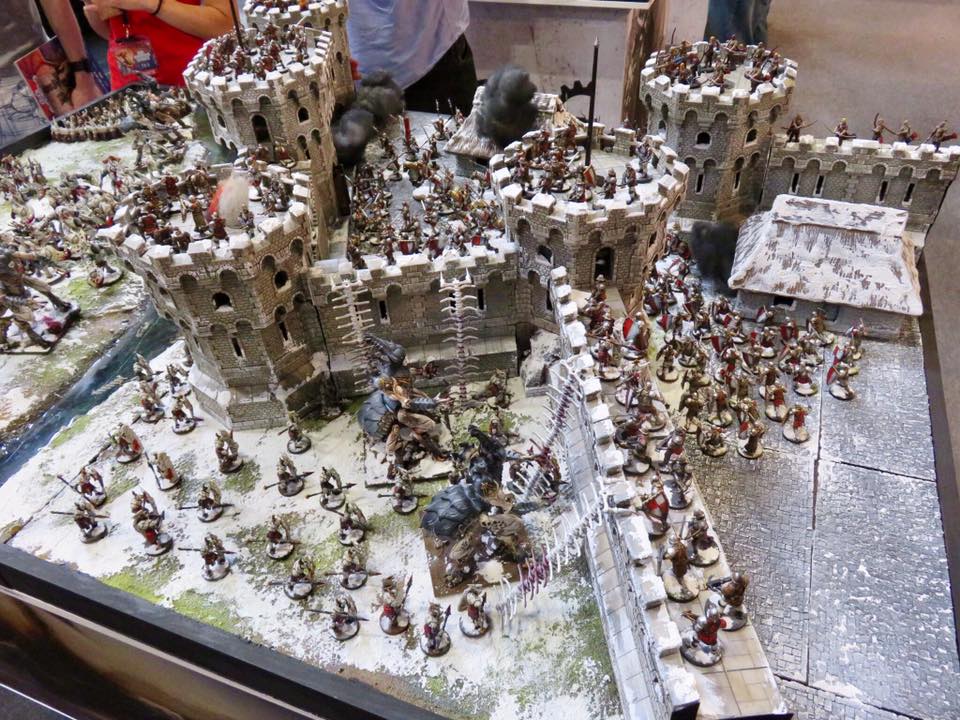
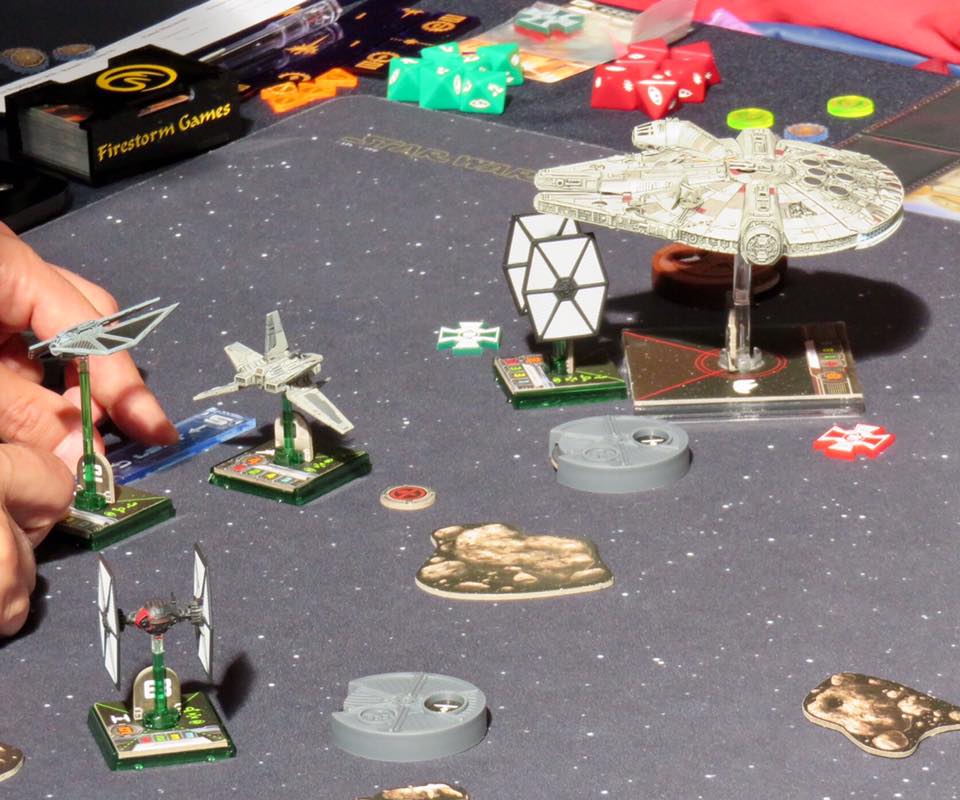
Everywhere I looked, I discovered new RPGs that I had never even heard of before. And then there were the wargames. While I had some exposure to miniatures from Campaign HQ, a tiny gaming store in downtown Rochester, NY, I had never witnessed the grandeur of the massive miniature armies on display at the wargame section of the convention.

Yet, the most significant impact on me was the warm reception I received from other gamers, most of them older than me. As a 12-year-old, I was treated as an equal by everyone I encountered. It was an incredibly welcoming environment, and it didn’t matter whether I was joining college kids in a Car Wars event or testing my skills with seasoned veterans in a Napoleonics game – I felt at home. I was completely hooked.

Old article about the Niagara Gamefest & Computer Show.

Later that same year, I attended the granddaddy of them all – Gen Con, held at the University of Wisconsin-Parkside that summer. If my first convention amazed me, this one simply blew my mind. It was everything I had experienced before but multiplied tenfold.

The campus, nestled in a rural setting near Racine, felt comfortable enough for my parents to drop me off in the morning and pick me up in the evening. While I had been late in registering for specific events, it didn’t matter, as the concourse of the campus was brimming with open gaming sessions anyone could join.

Not a single minute was wasted during my time there. Groups of gamers gathered on the floor, spontaneously embarking on game sessions. People were playing Ogre just a few feet from a Champions group, while across the hall, an engaging Ace of Aces match was in full swing. Yet again, my age was irrelevant – I only had to stand there for a moment, and someone would invite me to join their game.

The epic miniature battles in the wargaming area left me in awe. The largest among them was a multi-day reenactment of one of the crusades. I spent hours marveling at the intricacy of the models and the meticulously crafted terrain.

The dealer’s room at Gen Con was nothing short of massive. Games, dice, miniatures, apparel, and every other gaming-related item you could imagine were on display. I’d wander from booth to booth, eagerly listening to the enthusiastic pitches from vendors.

Many of the vendors set up “mini-games” for attendees to try out their systems, which filled even more of my time. During one such demo for Gangbusters, I was fortunate to meet Mark Acres and Tracy Hickman. Mark, one of the game’s designers, and Tracy, who would later co-author the successful Dragonlance series, left a lasting impression on me.

Those early gaming conventions left me with cherished memories. I returned to Gen Con the following year and attended Origins the year after that. Although gaming has often faced social stigmas, which have lessened over time, the shared experience of a large gaming convention has always been refreshing to me.

These days, I try to seek out conventions that take place further away, and in 2018, I was fortunate enough to attend the UK Games Expo in Birmingham. Exploring gaming events in different parts of the world has added a new layer of excitement to my hobby. It’s fascinating to see how gaming brings people together in a shared passion for adventure and imagination.

Nowadays, I find myself living in Indiana, and I frequently roam the halls at Gen Con in Indianapolis. While things may not feel exactly the same as they once did, the allure of the convention draws me back year after year. Having returned to the hobby after so many years, I’m happy to witness the incredible diversity it has now embraced.

And what about you? If you’ve made it this far, something must have piqued your interest. Have you had the pleasure of experiencing game conventions? If so, which ones have you attended, and what aspects did you enjoy the most? I’d love to hear your thoughts, so please share in the comments.